Water Damage Restoration for the Modern Developer’s Smart Home
Smart home technology has revolutionized how we interact with our living spaces, offering unprecedented control over security, climate, entertainment, and energy management. For developers and tech enthusiasts who’ve invested thousands of dollars into creating the perfect connected ecosystem, water damage represents one of the most devastating threats to both property and sophisticated electronics.
The intersection of advanced home automation and water damage restoration requires a specialized understanding that goes beyond traditional cleanup methods. Modern smart homes contain sensitive equipment, intricate wiring systems, and interconnected devices that demand careful handling during restoration processes.
Understanding the Unique Vulnerabilities of Smart Home Systems
Smart home infrastructure creates additional complications when water intrusion occurs. Unlike traditional homes where damage assessment focuses primarily on structural elements and basic electrical systems, connected homes require evaluation of network equipment, sensors, smart panels, and integrated devices throughout the property.
Water can infiltrate areas where developers have installed low-voltage wiring for automation systems, potentially compromising entire networks of connected devices. Smart thermostats, motorized window treatments, voice-controlled lighting systems, and security cameras all become vulnerable when moisture enters wall cavities or ceiling spaces where these systems typically run.
The challenge intensifies when considering that many smart home components operate continuously, drawing power even during standby modes. This constant electrical activity increases the risk of short circuits and electrical fires when water exposure occurs, making rapid response absolutely critical.
Common Water Damage Scenarios in Technology-Forward Homes
HVAC and Smart Climate Control Failures
Sophisticated climate control systems with smart thermostats and zoned heating often involve complex ductwork and condensate management. When drain lines become clogged or condensate pumps fail, water accumulates in areas housing control boards and sensors. These failures can cascade through interconnected systems, affecting humidity sensors, air quality monitors, and automated ventilation controls.
Appliance Integration Complications
Smart appliances connected to home networks—from refrigerators with water dispensers to washing machines with WiFi connectivity—present unique failure points. When supply lines fail or drain systems backup, water damage extends beyond the immediate appliance area to affect nearby networking equipment, smart outlets, and control panels that enable automation features.
Roof and Exterior Sensor Damage
Many modern smart homes feature exterior sensors for weather monitoring, automated irrigation management, and security systems. Roof leaks or exterior water intrusion can compromise these devices while simultaneously allowing water to travel along wiring paths directly into interior walls where additional smart home infrastructure resides.
Why Specialized Restoration Matters for Smart Homes
Traditional water damage restoration focuses on extracting water, drying structures, and preventing mold growth. While these fundamentals remain essential, smart home restoration requires additional expertise in protecting and recovering technology systems.
Professional restoration teams experienced with modern home automation understand the importance of immediately disconnecting affected circuits to prevent electrical damage while maintaining power to unaffected systems that provide security and environmental monitoring. They recognize which components can be salvaged versus which require replacement, potentially saving thousands in unnecessary equipment costs.
Expert Water Damage Restoration in Lexington, Kentucky for Smart Homes
When dealing with water damage in a technology-rich environment, homeowners benefit significantly from working with restoration professionals who understand both construction and connected systems. Smart home owners throughout the Bluegrass region face unique challenges when water intrusion threatens their sophisticated automation investments. If you’re facing water damage in a smart home environment, it’s essential to visit site resources that specialize in protecting both your property structure and your technology investments.
Immediate Steps Developers Should Take After Water Intrusion
Power Management Protocol
The first priority involves strategic power management. Rather than shutting down the entire electrical system, identify and isolate only the circuits affected by water exposure. This approach maintains functionality for unaffected smart systems, including security cameras, door locks, and environmental monitoring that provide ongoing protection and documentation.
Document which smart devices were operational before the incident and their locations. This information proves invaluable during restoration and insurance claims, particularly when determining whether devices failed due to water damage or were simply offline during the event.
Technology Inventory and Documentation
Create a comprehensive inventory of all smart home components, including:
- Central control hubs and home automation controllers
- Smart speakers and voice assistants throughout the property
- Connected thermostats and climate control interfaces
- Security system components including cameras, sensors, and control panels
- Smart lighting systems and motorized window treatments
- Network infrastructure including routers, switches, and access points
- Integrated appliances with connectivity features
Photograph all affected areas before any restoration work begins, capturing both obvious damage and the locations of technology installations. These images serve as critical evidence for insurance purposes and help restoration teams understand the full scope of your smart home ecosystem.
Data Backup Verification
Verify that cloud backups of your home automation configurations, security footage, and system settings are current and accessible. Many smart home platforms offer cloud storage, but local backup devices may have been compromised by water damage. Confirming data integrity early in the restoration process prevents the additional loss of configurations that took months or years to perfect.
The Restoration Process for Connected Homes
Assessment Phase
Professional assessment in smart homes extends beyond moisture mapping and structural evaluation. Technicians should test electrical systems with particular attention to low-voltage circuits, network pathways, and device locations. Thermal imaging helps identify moisture within walls where automation wiring runs, revealing hidden damage that could affect system performance long after visible water disappears.
Strategic Drying and Dehumidification
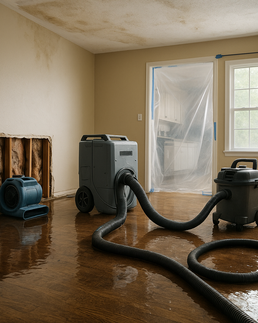
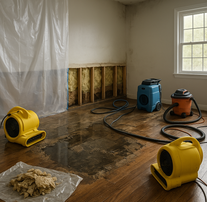
Drying protocols must account for sensitive electronics. Industrial dehumidifiers and air movers should be positioned to avoid directing high-velocity air directly at exposed circuit boards or control panels. Temperature management becomes crucial, as excessive heat during drying can damage components even if they survived initial water exposure.
Technology Recovery and Testing
Once structures reach appropriate moisture levels, systematic testing of smart home components begins. This process should follow a logical hierarchy, starting with network infrastructure, then central control systems, and finally individual devices. This methodical approach identifies cascading failures and prevents powering up devices that might short circuit due to residual moisture.
Preventing Future Water Damage in Smart Homes
Leverage Your Technology for Protection
Smart home developers should deploy their automation capabilities toward water damage prevention. Modern leak detection sensors cost relatively little compared to restoration expenses and integrate seamlessly with existing home automation platforms.
Position water sensors in high-risk areas including:
- Beneath water heaters and HVAC equipment
- Near washing machines, dishwashers, and refrigerators
- Under sinks and around toilet bases
- In basements and crawl spaces
- Near sump pumps and floor drains
Configure these sensors to trigger immediate notifications and automatic shutoff valves that stop water flow when leaks are detected. This integration transforms your smart home from a vulnerable target into an active defense system against water damage. For comprehensive flood preparedness guidance, consult https://www.ready.gov/floods for best practices in protecting your home.
Automated Monitoring and Maintenance Reminders
Program your home automation system to monitor and remind you about maintenance tasks that prevent water damage. Set calendar reminders for inspecting supply lines, testing sump pumps, cleaning gutters, and checking HVAC condensate systems. Some smart home platforms can even monitor water usage patterns to detect anomalies that might indicate hidden leaks.
Insurance Considerations for Smart Home Water Damage
Standard homeowners insurance policies may not adequately cover the full value of smart home technology and its installation costs. Review your coverage specifically addressing:
- Replacement cost versus actual cash value for electronics
- Coverage limits for computer equipment and home automation systems
- Professional installation costs for replacement technology
- Loss of use provisions if smart home systems require extended restoration time
Document your smart home investments with receipts, installation records, and periodic valuations. This documentation streamlines claims processes and ensures appropriate compensation when water damage occurs. The Insurance Institute for Business & Home Safety provides valuable resources on risk mitigation strategies that can help reduce insurance premiums while protecting your technology investments.
The Future of Water Damage Prevention in Smart Homes
Emerging technologies continue improving water damage detection and prevention. Artificial intelligence algorithms now analyze usage patterns to predict potential failures before they occur. Smart shutoff valves with pressure monitoring can detect burst pipes within seconds and stop water flow automatically.
For developers building or upgrading smart homes, investing in comprehensive water protection systems makes financial sense. The cost of advanced leak detection, automatic shutoffs, and monitoring systems represents a fraction of potential water damage restoration expenses, particularly when factoring in the replacement of sophisticated automation equipment.
Conclusion: Protecting Your Investment
Smart home development represents a significant investment in both financial resources and time spent perfecting automation systems. Water damage threatens not only the physical structure but also the intricate technology ecosystem that defines modern connected living.
By understanding the unique vulnerabilities of smart home systems, implementing preventive technologies, and working with restoration professionals who appreciate the complexity of connected homes, developers can protect their investments and minimize disruption when water intrusion occurs. The integration of proactive monitoring, rapid response protocols, and specialized restoration approaches ensures that your smart home remains both technologically advanced and resilient against one of property ownership’s most common threats.
Programming Your Way Through Mold Removal: Systematic Approaches to Indoor Air Quality
Debugging Your Home: When Mold Becomes a Critical Error
Anyone who’s written code knows the frustration of tracking down a bug that’s been quietly corrupting your program. Mold in your home operates on a similar principle—it starts small, often invisible, and by the time you notice the symptoms, it’s already spread through multiple systems. Here in Stamford, our coastal Connecticut climate creates the perfect conditions for this biological “bug” to thrive, especially in older homes where moisture control wasn’t designed with modern standards in mind.
Professional Mold Removal Services in Stamford, Connecticut: A Systematic Solution
The intersection between systematic problem-solving and mold remediation isn’t just a clever metaphor. Professional mold removal requires the same logical, step-by-step approach that programmers use to debug complex systems. You can’t just patch the visible problem and call it fixed—you need to trace the issue back to its root cause, address every affected component, and implement preventive measures to ensure it doesn’t recurr. For homeowners in Stamford dealing with persistent moisture issues, working with specialists like https://moldremovalstamfordct.com/ means applying this systematic methodology to protect your indoor air quality.
Understanding the Algorithm: How Mold Spreads Through Your Home
Mold operates on a surprisingly simple algorithm: moisture + organic material + time = growth. Like a recursive function, once the conditions are met, the process repeats exponentially. A single mold colony can release millions of spores into your air, each one seeking its own moisture source to begin the cycle again.
In Stamford homes, the most common execution points for this algorithm include basements affected by groundwater seepage, bathrooms with inadequate ventilation, attics with roof leaks, and the spaces behind walls where condensation accumulates. Our proximity to Long Island Sound means humidity levels frequently exceed the 60% threshold where mold growth accelerates dramatically.
The Input Variables: Stamford’s Climate Factors
Connecticut’s weather patterns create multiple vulnerability windows throughout the year. Spring brings heavy rainfall that tests foundation waterproofing and drainage systems. Summer humidity turns poorly ventilated spaces into mold incubators. Fall leaves clog gutters, causing water to infiltrate where it shouldn’t. Winter’s freeze-thaw cycles create ice dams and condensation issues that won’t manifest as visible mold until months later.
These seasonal variables mean that mold prevention isn’t a one-time fix—it’s an ongoing process that requires monitoring and adjustment, much like maintaining a complex codebase.
The Systematic Inspection Protocol
Professional mold assessment follows a logical sequence that leaves no stone unturned. This isn’t about glancing at visible surfaces and making assumptions—it’s about comprehensive data gathering.
Visual Inspection and Pattern Recognition
The first phase involves identifying visible mold growth and, more importantly, recognizing the patterns that indicate hidden problems. Discoloration on ceilings directly below bathrooms suggests plumbing leaks. Musty odors in finished basements point to moisture infiltration through foundation walls. Warped baseboards indicate water wicking up from beneath flooring.
Experienced professionals develop pattern recognition skills similar to seasoned developers spotting code smells. That slight water stain might seem insignificant, but it’s a symptom of a larger systemic issue.
Moisture Mapping: Quantifying the Problem
Modern mold inspection relies heavily on moisture meters and thermal imaging cameras—tools that provide objective data rather than subjective impressions. These instruments detect elevated moisture levels inside walls, under flooring, and in other concealed spaces where visual inspection alone would miss the problem.
In Stamford’s historic neighborhoods, homes built in the early-to-mid 20th century often have additions and renovations that created new moisture pathways. Thermal imaging reveals these architectural vulnerabilities by showing temperature differentials that indicate air leaks, missing insulation, or active water infiltration.
Air Quality Testing: Measuring Spore Counts
Air sampling provides quantifiable data about what you’re actually breathing. Laboratory analysis identifies specific mold species and their concentrations, which informs both the remediation approach and health risk assessment. Some molds are merely allergenic nuisances, while others produce mycotoxins that pose serious health risks.
This testing phase is analogous to profiling code performance—you need metrics to understand the severity of the problem and to verify that your remediation efforts actually worked.
The Remediation Algorithm: Step-by-Step Execution
Once you’ve identified the scope of the problem, remediation follows a strict protocol designed to eliminate existing mold while preventing cross-contamination to clean areas.
Containment: Isolating the Affected Modules
Professional remediation begins with containment—creating physical barriers using plastic sheeting and establishing negative air pressure in work zones. This prevents mold spores from spreading to unaffected areas during the removal process, similar to how you’d isolate problematic code in a sandbox environment before making changes.
For Stamford homes with central HVAC systems, this step is particularly critical. Mold spores can travel through ductwork, turning a localized problem into a whole-house contamination event.
HEPA Filtration: Cleaning the Environment
High-efficiency particulate air (HEPA) filtration systems run continuously during remediation, capturing airborne spores before they can settle and establish new colonies. These industrial air scrubbers process thousands of cubic feet per minute, creating multiple air changes per hour in the work zone.
Think of HEPA filtration as your error handling and logging system—it captures problems before they can cause downstream failures.
Material Removal: Eliminating Corrupted Components
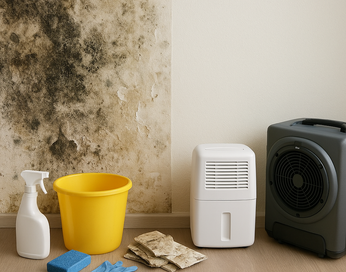
Porous materials that have been heavily colonized by mold cannot be adequately cleaned—they must be removed and replaced. This includes drywall, insulation, carpeting, and ceiling tiles. Non-porous surfaces like metal, glass, and hard plastics can typically be cleaned and salvaged.
This is the most difficult decision point in remediation, analogous to deciding whether to refactor problematic code or rewrite it entirely. Experienced professionals know when aggressive removal is necessary versus when thorough cleaning will suffice.
Antimicrobial Treatment: Preventing Recompilation
After physical removal, affected areas receive antimicrobial treatments that eliminate remaining spores and create an inhospitable environment for regrowth. These treatments penetrate porous surfaces that couldn’t be removed, providing an additional layer of protection.
Verification Testing: Confirming the Fix
Post-remediation air quality testing confirms that spore counts have returned to normal levels. This clearance testing is your quality assurance phase—objective proof that the remediation was successful and the space is safe for reoccupation.
Root Cause Analysis: Fixing the Underlying Issue
Here’s where many homeowners make a critical mistake: they address the mold but ignore the moisture source. This is like fixing a bug without understanding what caused it—you’re virtually guaranteed to see the problem return.
Common Moisture Sources in Stamford Homes
- Foundation issues: Cracks, poor exterior grading, and inadequate drainage systems allow groundwater infiltration
- Plumbing leaks: Slow drips inside walls can go unnoticed for months while creating perfect mold conditions
- Roof problems: Missing shingles, damaged flashing, and clogged gutters lead to water intrusion
- Ventilation deficiencies: Bathrooms and kitchens without proper exhaust systems trap moisture indoors
- HVAC condensation: Improperly installed or maintained systems can generate significant moisture
- High indoor humidity: Lack of dehumidification in summer months creates chronic elevated moisture levels
Each of these issues requires specific corrective measures. A comprehensive approach might involve foundation waterproofing, plumbing repairs, roof restoration, ventilation improvements, and installation of whole-house dehumidification systems.
Preventive Maintenance: Writing Clean Code from the Start
The most effective mold strategy is prevention. By controlling moisture proactively, you eliminate the conditions mold needs to establish itself.
Monitoring and Early Detection
Smart home technology now includes moisture sensors that alert you to problems before they become visible. These devices can be placed in vulnerable areas like basements, crawl spaces, and beneath sinks, providing early warning of leaks or elevated humidity.
Regular visual inspections should be part of your home maintenance routine. Check beneath sinks, around windows, in attics, and in basements at least quarterly. Look for condensation, water stains, musty odors, and any signs of moisture accumulation.
Environmental Controls
Maintaining indoor humidity between 30-50% prevents mold growth while remaining comfortable for occupants. Dehumidifiers, proper ventilation, and strategic use of exhaust fans all contribute to moisture control.
In Stamford’s humid summers, this often requires mechanical dehumidification. Basement dehumidifiers should be sized appropriately for the space and equipped with automatic drainage rather than collection buckets that require manual emptying.
Structural Improvements
Long-term moisture control may require capital improvements: extending downspouts away from foundations, installing French drains, improving attic ventilation, upgrading bathroom exhaust fans, or encapsulating crawl spaces. These investments protect both your home’s structure and your family’s health. Organizations like the National Institute of Building Sciences provide valuable resources on building best practices that can help homeowners understand proper moisture management and construction standards.
The Human Element: Health Impacts of Poor Indoor Air Quality
Mold exposure affects different people differently, but the potential health impacts shouldn’t be dismissed. Allergic reactions, asthma exacerbation, respiratory infections, and chronic inflammatory responses are all documented consequences of mold exposure.
Children, elderly individuals, and those with compromised immune systems face elevated risks. If household members experience unexplained respiratory symptoms, chronic headaches, fatigue, or skin irritation that improves when away from home, indoor air quality should be investigated.
Conclusion: Compiling Your Mold-Free Future
Approaching mold removal with a programmer’s mindset—systematic, logical, and thorough—produces better outcomes than reactive, superficial fixes. Understanding the conditions that allow mold to thrive, implementing comprehensive remediation when necessary, addressing root causes, and maintaining preventive measures creates a sustainable solution.
For Stamford homeowners, our local climate demands vigilance. The same coastal environment that makes our community attractive also creates persistent moisture challenges. By treating mold prevention as an ongoing process rather than a one-time project, you protect your investment and your family’s wellbeing.
The systematic approach isn’t just about removing what you can see—it’s about understanding the entire system, identifying vulnerabilities, and implementing solutions that address problems at their source. Whether you’re debugging code or eliminating mold, the methodology remains the same: gather data, analyze patterns, implement targeted solutions, verify results, and maintain the system going forward.
Your home’s indoor air quality deserves the same attention to detail you’d give any complex problem worth solving.
Mold Removal and Tech Workers: Why Computer Nerds Neglect Their Homes And The Need For Mold Remediation Afterwards
The Hidden Crisis in Tech Worker Households
There’s a persistent myth that highly educated, detail-oriented professionals maintain pristine living environments. The reality? Tech workers—software engineers, developers, IT specialists, and computer programmers—often live in some of the most mold-prone conditions imaginable. This isn’t about intelligence or capability. It’s about priorities, lifestyle patterns, and a fundamental disconnect between digital expertise and physical home maintenance.
Professional Mold Removal in Shreveport, Louisiana: A Critical Resource for Tech Professionals
For tech workers in the Shreveport area, the combination of Louisiana’s humid subtropical climate and the lifestyle factors discussed in this article creates a perfect storm for mold growth. Shreveport’s average humidity levels frequently exceed 70%, and when combined with the poor ventilation habits common among remote tech workers, homes become breeding grounds for mold colonies. Local professionals who understand both the regional climate challenges and the specific building construction common to Shreveport homes provide essential services that go far beyond what any DIY approach can accomplish. These specialists recognize that Shreveport’s older housing stock, combined with the moisture-generating habits of tech workers running multiple computers and servers, requires targeted assessment and remediation strategies.
If you’re a tech professional reading this page, you might be uncomfortable with what follows. But understanding why your demographic is particularly vulnerable to mold problems is the first step toward protecting your health and your investment.
Myth #1: Smart People Have Clean Homes
Let’s dismantle this assumption immediately. Intelligence and domestic maintenance exist on completely separate axes. A software engineer capable of architecting complex distributed systems may genuinely not notice the water stain spreading across their ceiling. This isn’t ignorance—it’s selective attention shaped by professional demands.
Tech workers typically exhibit what psychologists call “environmental blindness” toward their physical surroundings. When your cognitive resources are consumed by debugging code, managing sprints, or solving abstract problems, your brain literally filters out non-critical environmental stimuli. That musty smell? The discoloration in the corner? Your mind categorizes these as low-priority background noise.
The Cognitive Load Factor
Research shows that professionals in cognitively demanding fields experience decision fatigue that extends to home maintenance decisions. After spending eight to twelve hours making hundreds of micro-decisions about code, architecture, or system design, the mental bandwidth required to assess home maintenance needs simply isn’t available.
This explains why tech workers often live in conditions they would never tolerate in their professional environments. The same person who demands clean code and elegant solutions at work may ignore obvious signs of water damage at home.
Myth #2: Working From Home Means Better Home Maintenance
The remote work revolution hasn’t solved the tech worker mold problem—it’s actually exacerbated it. Here’s why this seemingly logical assumption falls apart under scrutiny.
Increased Indoor Humidity
Tech workers at home generate more moisture than typical residents. Multiple computers running continuously produce heat and drive up cooling demands. More time indoors means more breathing, more cooking, more showering—all activities that increase indoor humidity levels. In climates like Shreveport’s, where humidity is already a challenge, this additional moisture creates ideal mold conditions.
Poor Ventilation Habits
Remote tech workers often seal themselves in climate-controlled environments for optimal equipment performance and personal comfort. Windows remain closed. Air circulation becomes stagnant. This creates moisture traps where condensation accumulates and mold colonies establish themselves unnoticed.
The “Always On” Lifestyle
When your bedroom is your office is your living room, normal home maintenance routines disappear. There’s no commute time to notice problems. No weekend distinction to trigger deep cleaning. The boundary dissolution that characterizes remote tech work extends to home care—everything becomes deprioritized in favor of the next sprint, the next deployment, the next urgent Slack message.
Myth #3: Mold Is Just a Cosmetic Issue
Tech workers often approach mold with the same troubleshooting mindset they apply to software bugs: identify the visible problem, apply a surface-level fix, move on. This is dangerously inadequate.
Mold is never just a surface issue. When you see mold growth, you’re observing the reproductive structures of an organism that has already colonized your building materials. The visible mold represents perhaps 10% of the actual problem. The remaining 90% exists inside walls, under flooring, within HVAC systems—places where DIY solutions cannot reach.
Health Implications Tech Workers Ignore
The health effects of mold exposure are particularly insidious for sedentary knowledge workers:
- Cognitive impairment: Mycotoxins from certain mold species affect memory, concentration, and processing speed—the exact cognitive functions tech work demands
- Respiratory issues: Prolonged exposure causes chronic inflammation that worsens with poor posture and shallow breathing common among desk workers
- Immune system stress: Constant low-level mold exposure taxes immune function, increasing susceptibility to other illnesses
- Sleep disruption: Mold exposure affects sleep quality, compounding the sleep deficits many tech workers already experience
Many tech workers attribute these symptoms to work stress, poor ergonomics, or inadequate exercise. They never connect their declining performance to their living environment. According to research from the National Institutes of Health, prolonged mold exposure can lead to serious long-term health complications that extend far beyond simple allergic reactions.
Myth #4: Tech Skills Transfer to Home Maintenance
There’s an assumption that people who can troubleshoot complex technical problems can handle home maintenance. This is fundamentally flawed reasoning.
Software and hardware follow logical, documented rules. Buildings are organic systems influenced by physics, biology, chemistry, and environmental factors that interact unpredictably. A tech worker might successfully replace a toilet flapper or install a smart thermostat, but identifying moisture intrusion patterns or assessing structural mold risk requires completely different expertise.
The DIY Disaster Pattern
Tech workers often approach mold remediation as a DIY project. They research online, purchase consumer-grade products, and treat visible mold growth. This approach fails for several reasons:
- Consumer products don’t address underlying moisture sources
- Surface treatment leaves subsurface colonies intact
- Improper remediation spreads spores throughout the home
- Without proper containment, DIY efforts contaminate previously clean areas
- Failure to identify all affected areas allows continued growth
The tech worker mentality of “I can figure this out” becomes actively harmful when applied to mold remediation.
Why Professional Mold Remediation Is Non-Negotiable
Professional mold remediation isn’t about paying someone to do work you could theoretically do yourself. It’s about accessing expertise, equipment, and protocols that aren’t available to homeowners.
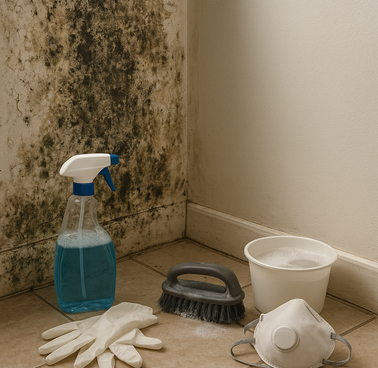
Proper Assessment Requires Specialized Knowledge
Professional remediators understand building science. They recognize how moisture moves through structures, where condensation accumulates, and which building materials are most vulnerable. They use moisture meters, thermal imaging, and air sampling to identify problems invisible to homeowners. The U.S. Environmental Protection Agency provides comprehensive guidelines for proper mold assessment and remediation that professionals follow to ensure safe and effective treatment.
Containment Prevents Spread
Disturbing mold colonies releases millions of spores. Without proper containment—negative air pressure, physical barriers, air filtration—remediation efforts spread contamination throughout your home. Professional protocols prevent this cross-contamination.
Complete Removal Requires Proper Equipment
Effective mold remediation requires HEPA filtration, antimicrobial treatments, and often removal of contaminated building materials. These aren’t consumer-level tools. Professional remediators have the equipment to completely eliminate mold colonies and prevent recurrence.
The Real Solution: Acknowledging Limitations
Tech workers excel at solving problems within their domain of expertise. The solution to the tech worker mold problem isn’t better DIY techniques—it’s recognizing when professional expertise is required.
Preventive Measures Tech Workers Can Actually Implement
- Schedule automated reminders for HVAC filter changes, gutter cleaning, and home inspections
- Install smart humidity monitors that alert you to problematic moisture levels
- Use dehumidifiers in computer rooms and other equipment-heavy spaces
- Create ventilation routines tied to work breaks—open windows during standup meetings
- Hire regular home maintenance services to handle routine inspections you’ll forget
When to Call Professionals
Don’t wait for visible mold growth. Call professional remediators when you notice:
- Persistent musty odors
- Unexplained health symptoms that improve when you leave home
- Any water intrusion event (leaks, floods, condensation)
- Elevated humidity readings above 60%
- Discoloration on walls, ceilings, or floors
Conclusion: Expertise Recognizes Its Boundaries
The most sophisticated understanding in software engineering includes knowing when to call in specialists from other domains. The same principle applies to home maintenance.
Tech workers don’t neglect their homes because they’re incapable or lazy. They neglect them because their cognitive resources are allocated elsewhere, and they often lack the framework to recognize developing problems. Mold thrives in this attention gap.
Professional mold remediation isn’t an admission of failure—it’s a recognition that building science is as specialized as software engineering. Just as you wouldn’t expect a mold remediator to architect your company’s database infrastructure, don’t expect yourself to properly assess and remediate mold contamination.
The smartest move a tech worker can make regarding mold isn’t learning DIY remediation techniques. It’s building a relationship with professional remediators before problems develop, implementing preventive monitoring systems, and responding immediately when issues arise.
Your home is your largest investment and the foundation of your health. Treat it with the same seriousness you bring to your professional work—which means recognizing when expert intervention is required and acting on that knowledge without delay.
From Code to Cockroaches: A Tech Professional’s Journey into Pest Control Management
Why a Software Engineer Left Silicon Valley for Pest Control
The transition from debugging code to eliminating termites wasn’t part of any five-year plan. After twelve years managing development teams at tech companies, the decision to enter pest control management came down to three factors: autonomy, tangible results, and market demand that wasn’t going away.
Software development operates in abstractions. You solve problems that exist in digital space, ship updates that users may or may not notice, and watch your work become obsolete within months. Pest control operates in physical reality. Customers know immediately whether you solved their problem. A termite-free home stays termite-free. A rodent issue either resolves or it doesn’t. The feedback loop is immediate and undeniable.
The Skills That Transfer Between Industries
Systems Thinking
Managing a pest control operation requires the same systems-level thinking that software architecture demands. You’re not just addressing individual service calls—you’re building processes that scale. Route optimization, inventory management, technician scheduling, and customer relationship systems all require the analytical framework that tech professionals develop over years of building complex systems.
The difference is that pest control systems interact with physical constraints. Weather affects treatment efficacy. Seasonal patterns drive demand fluctuations. Equipment failures have immediate consequences. These variables make the management challenge more dynamic than most software projects.
Data-Driven Decision Making
Tech professionals live and die by metrics. Pest control management benefits enormously from this approach. Treatment success rates, callback percentages, customer acquisition costs, lifetime value calculations, and technician productivity metrics all inform better business decisions.
Most traditional pest control operators rely on intuition and experience. Adding rigorous data analysis to that foundation creates competitive advantages. You identify which treatments work best for specific infestations, which marketing channels deliver qualified leads, and which service protocols generate the highest customer retention rates.
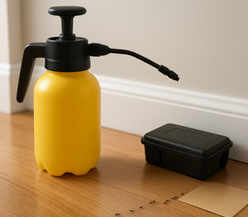
The Learning Curve Nobody Warns You About
Technical Knowledge Requirements
Understanding software architecture doesn’t help you identify subterranean termite damage or distinguish between Norway rats and roof rats. The technical knowledge gap is substantial and non-negotiable.
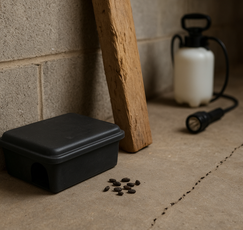
The solution was structured learning combined with field experience. State licensing requirements provide baseline knowledge. Working alongside experienced technicians for six months provided practical understanding that no manual could teach. Learning to spot moisture damage, identify entry points, and recognize infestation patterns takes time and repetition. Resources like Michigan State University Extension offer valuable educational materials for those entering the industry.
Regulatory Complexity
Tech operates in a relatively light regulatory environment. Pest control involves state licensing boards, EPA regulations, pesticide application restrictions, safety protocols, and liability considerations that require constant attention.
Every treatment chemical has specific application requirements. Documentation standards are strict. Insurance requirements are substantial. The regulatory framework isn’t optional or negotiable—it’s the foundation of legitimate operation. Understanding EPA Pesticides regulations is essential for anyone operating in this industry.
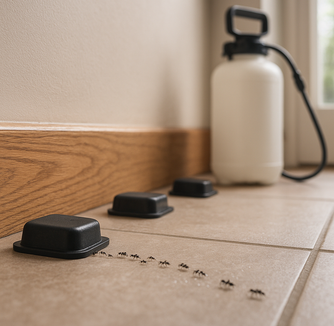
Building Operations From the Ground Up
Hiring and Training Technicians
Finding reliable technicians proved more challenging than hiring software developers. The labor market operates differently. Compensation expectations, career progression paths, and retention strategies all required recalibration.
The approach that worked: hire for attitude and reliability, train for technical skills. Pest control techniques can be taught. Work ethic and customer service orientation are harder to instill. Building a training program that combined classroom instruction with supervised field work produced technicians who could handle standard services within 90 days.
Customer Acquisition Strategy
Marketing pest control services requires different tactics than promoting software products. Local SEO matters enormously. Google Business Profile optimization drives leads. Customer reviews carry significant weight. The sales cycle is shorter but requires trust-building in compressed timeframes.
How Modern Pest Control Operations in Lafayette, Louisiana Are Evolving
Digital marketing skills from the tech world translated well. Understanding conversion funnels, A/B testing landing pages, and tracking customer acquisition costs provided advantages over competitors using traditional marketing approaches. For those considering similar transitions in the Lafayette area, you can visit site to see how modern pest control operations integrate technology with traditional service delivery.
Operational Efficiency
Route optimization algorithms reduce fuel costs and increase daily service capacity. Automated scheduling systems minimize administrative overhead. Digital inspection reports improve customer communication and create documentation trails. CRM integration ensures follow-up happens systematically rather than sporadically.
These operational improvements weren’t revolutionary—they were standard tech industry practices applied to an industry that often operates on paper-based systems and manual processes.
Financial Realities and Timeline Expectations
Initial Investment and Break-Even Timeline
Starting a pest control operation required approximately $75,000 in initial capital. This covered licensing, insurance, equipment, vehicles, initial inventory, and six months of operating expenses. The business reached break-even at month nine and profitability by month fourteen.
These timelines assume competent execution and adequate working capital. Undercapitalization kills more pest control startups than operational incompetence.
Revenue Scaling
Year one revenue: $180,000. Year two: $420,000. Year three: $650,000. Growth came from customer retention, referral generation, and expanding service offerings. Recurring revenue from termite contracts and quarterly pest prevention plans created predictable cash flow that one-time services alone couldn’t provide.
What Makes This Transition Viable
The pest control industry faces a skilled labor shortage and ownership succession challenges. Many established operators are reaching retirement age without succession plans. The industry needs professional management and operational modernization.
Tech professionals bring skills the industry needs: systems thinking, data analysis, digital marketing competency, and operational efficiency focus. The combination of traditional pest control expertise with modern business practices creates sustainable competitive advantages.
The work provides tangible results, serves genuine customer needs, and builds equity in a business with real asset value. For professionals tired of digital abstractions and seeking work with immediate, measurable impact, pest control management offers a viable path forward.
Debugging Roof Repair Estimates: A Developer’s Guide to Data-Driven Home Maintenance
When Your Roof Needs a Patch, Not Just Your Code
As someone who spends their days debugging code and optimizing algorithms, you might think evaluating a roof repair estimate would be straightforward. After all, we’re trained to break down complex problems into logical components, identify edge cases, and make data-driven decisions. But when you’re standing in your Santa Clarita driveway staring at three wildly different estimates for the same roof repair, you quickly realize that home maintenance operates on a different set of protocols.
The good news? Your developer mindset is actually a superpower when it comes to vetting contractors and understanding what you’re really paying for. You just need to know which variables to examine and how to parse the information you’re receiving.
Finding Quality Roofing in Santa Clarita, California
When you receive a roof repair estimate, think of it as reviewing someone else’s pull request. You wouldn’t approve code without understanding what each function does and why it’s necessary, right? The same principle applies to roofing quotes. Just as you’d research the best frameworks and tools for your development projects, finding experienced professionals who understand local building codes and climate challenges is essential for your home maintenance needs.
In the Santa Clarita area, the roofing industry has evolved to address the specific environmental factors that affect homes here—from intense UV exposure to seasonal wind events. Working with contractors who have established track records in this region means they understand these unique challenges and can provide solutions that last. If you’re looking for reliable professionals who provide transparent, detailed estimates, you can learn more here about what quality service looks like in our area.
Treating Estimates Like Code Reviews
The first step is establishing your baseline requirements. Just as you’d define acceptance criteria for a feature, you need to know exactly what problem you’re solving. Is it a small leak in one section? Missing shingles after windstorms? Or are you dealing with a systemic issue that affects the entire roof structure?
Document everything before contacting contractors. Take photos, note when problems occur (after rain, during certain temperatures), and measure the affected areas if possible. This documentation serves as your “issue ticket” and helps ensure all contractors are bidding on the same scope of work.
Breaking Down the Data Points
A proper roof repair estimate should contain specific, itemized information. Here’s what to look for:
Materials Specification
- Brand and grade of materials: Not all shingles are created equal, just like not all libraries serve the same purpose
- Quantity calculations: How did they arrive at the square footage? Ask to see their math
- Warranty information: Both manufacturer and workmanship warranties matter
- Material lifecycle: What’s the expected lifespan of what they’re installing?
Labor Breakdown
- Number of workers and estimated hours: This affects both cost and timeline
- Specific tasks included: Tear-off, disposal, installation, cleanup, inspection
- Licensing and insurance verification: Always confirm these credentials independently
Hidden Dependencies
This is where many estimates fall apart. A contractor might quote you for shingle replacement but discover rotted decking once they start work. Ask explicitly what happens if they encounter underlying damage. Get a per-square-foot rate for potential repairs in writing, so you’re not facing surprise charges mid-project.
Version Control for Your Roof
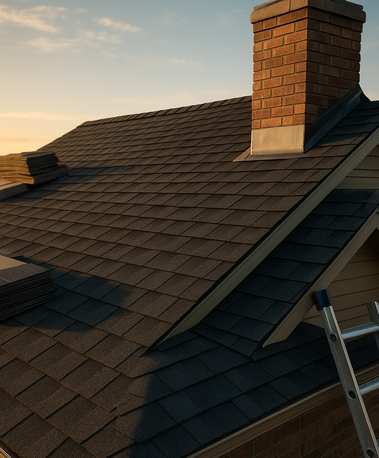
In Santa Clarita’s climate, your roof faces unique stressors. We get intense sun exposure, occasional heavy rains, and those Santa Ana winds that can lift shingles like they’re post-it notes. Understanding these local conditions helps you evaluate whether an estimate accounts for proper installation techniques.
For instance, proper attic ventilation isn’t just a nice-to-have—it’s essential for preventing premature shingle failure in our hot summers. If an estimate doesn’t mention ventilation assessment, that’s a red flag. Similarly, wind-resistant installation methods should be standard practice here, not an upsell.
Running the Numbers: Cost Analysis
When you’re comparing estimates, resist the temptation to simply sort by price and pick the lowest number. We know better than to choose a framework solely because it has the smallest bundle size, right?
Create a spreadsheet. Yes, really. List each estimate with columns for:
- Materials cost (itemized)
- Labor cost
- Warranty terms
- Timeline
- Payment schedule
- Contractor licensing number and insurance verification
Calculate the cost per square foot for each estimate. If one is significantly lower, that’s not necessarily a win—it might indicate cut corners, inferior materials, or a contractor who’ll nickel-and-dime you with change orders.
Testing in Production (Safely)
Before signing a contract, do your integration testing. Check the contractor’s references, but don’t just ask “were you satisfied?” Get specific:
- Did they complete the work on schedule?
- How did they handle unexpected issues?
- Did the final cost match the estimate?
- Have you had any problems since completion?
- Would you hire them again?
Search for their business name along with terms like “complaint” or “lawsuit.” Check the Contractors State License Board website for their license status and any disciplinary actions. You can also verify that contractors follow industry best practices by checking resources from professional organizations like the National Roofing Contractors Association.
Deploying Your Decision
Once you’ve gathered and analyzed all this data, trust your developer instincts. If something feels off—vague answers, pressure tactics, reluctance to provide written details—that’s your code smell detector working properly.
The right contractor will appreciate your thoroughness. They’ll provide detailed answers, welcome your questions, and offer documentation without hesitation. They understand that an informed client makes for a better project outcome.
Your roof is your home’s primary defense system. Treating its repair with the same analytical rigor you apply to your code isn’t overkill—it’s smart homeownership. And unlike debugging production issues at 2 AM, this is one problem you can solve during business hours with a solid plan and the right professional partner.
Remember: measure twice, cut once. Or in our case, research thoroughly, hire wisely, and enjoy a leak-free home for years to come.